
| Languages |
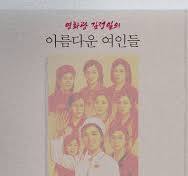
Yonghwagwang Kim Chong-il ui arumdaun yoindul
Description:
Author Kim Byeong-gwan has published a full-length novel based on true events titled "The Beautiful Women of Kim Jong-il, the Film Buff", recounting stories about Kim Jong-il and the North Korean film industry. Kim Jong-il held a special fondness for actresses such as Kim Hyun-sook, Woo In-hee, and Sung Hae-rim. The book unfolds the unique behind-the-scenes stories of these three women--revered as "People's Actors" in North Korea--and their connections to the film world. North Korea's supreme leader, Kim Jong-il, was a world-renowned film enthusiast. From the early 1960s until his death in 2011, he personally supervised and directed almost every aspect of film production in North Korea, including planning, casting, and filming. The book specifically chronicles the special stories linking Kim Jong-il to three leading actresses: Kim Hyun-sook ("Friends, Let Us Go Together"), Woo In-hee ("The Story of Chunhyang"), and Sung Hae-rim ("In a Village on the Demarcation Line"). Author Kim Byeong-gwan, who actually worked as a railway official in North Korea, crafted this narrative based on his own encounters with these actors, as well as eyewitness accounts from acquaintances and a wealth of gathered information. Kim Jong-il first appeared at the film studio in a private capacity in the autumn of 1961, after returning from a trip to Moscow with his father, Kim Il-sung, and becoming a university student. The setting was the filming of "Friends, Let Us Go Together", with a screenplay by Lee Jong-soon and direction by Cheon Sang-in. It was there that he met Kim Hyun-sook, a leading actress who possessed not only acting talent but also immense charm. Her story marks the beginning of the tales of the three actresses who caught Kim Jong-il's eye. He began reporting to the Feature Film Studio as a regular staff member only after graduating from university; at that time, he was accompanied by a bodyguard and an official (or staff member) from the Party Central Committee who served as his secretary. Offices and modest sleeping quarters were set up at the film studio. From that time on, the studio had only a deputy party secretary; effectively, Kim Jong-il himself served as the party secretary. All film-related projects required Kim Jong-il's guidance and approval.
Temporarily out of stock – available within 30 to 40 business days
MARC records are available
This item belongs to following categories:
Subscribe To Get Our Latest Updates!


